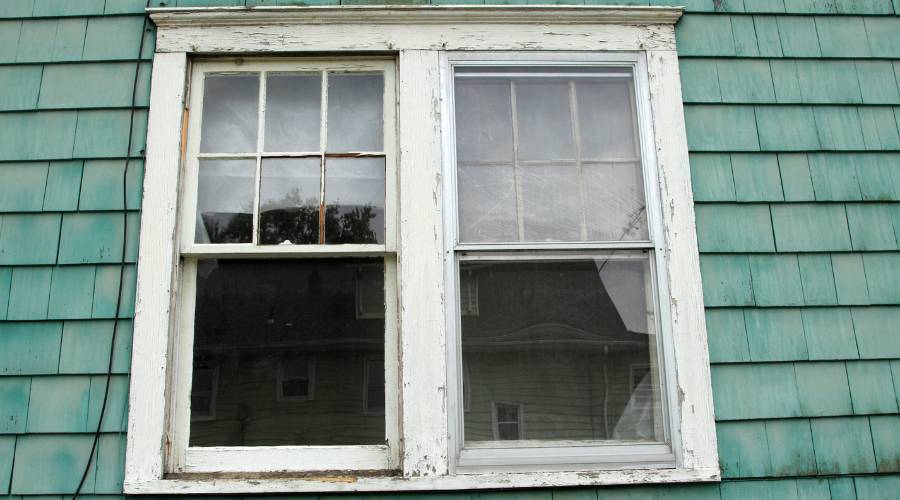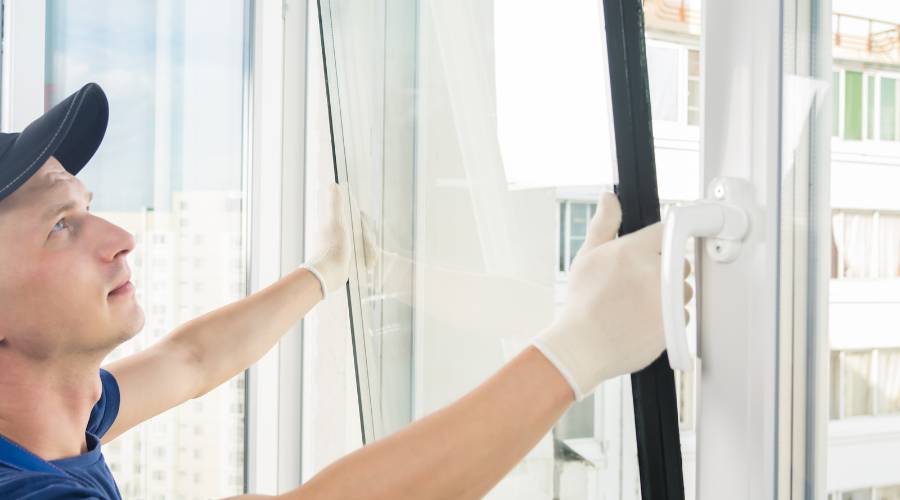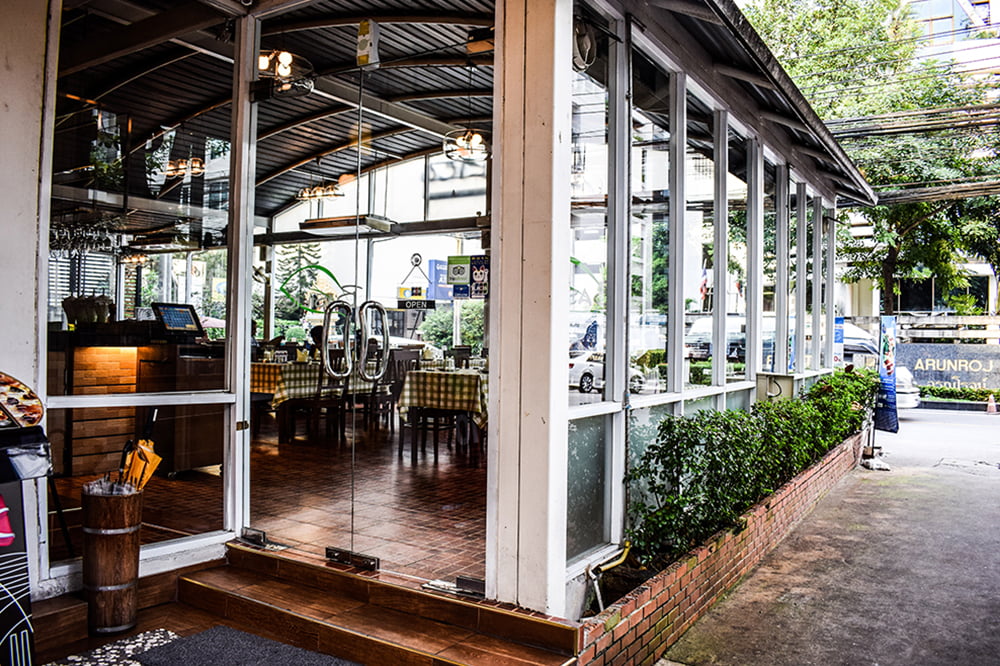

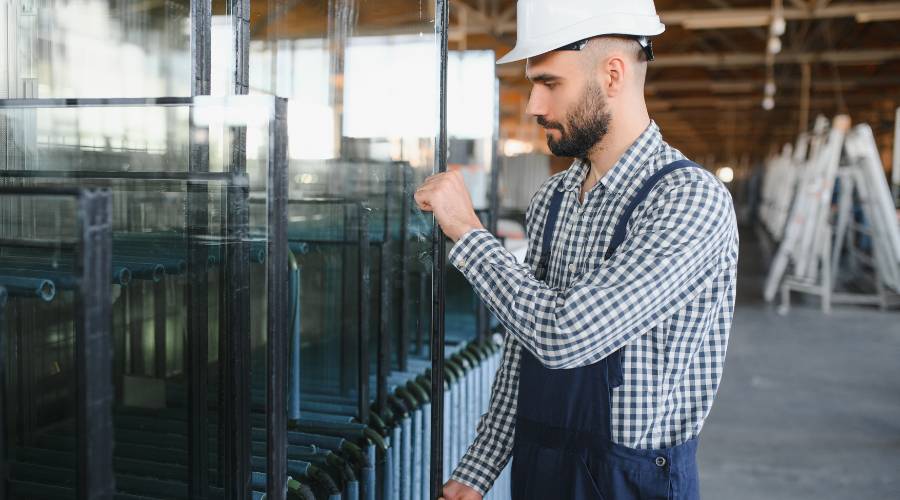
A glazier installs, repairs and replaces glass to strict Australian safety standards, ensuring windows, doors and panels stay secure and compliant.
Quick Overview:
• Glass repair, replacement and installation
• Safety compliance (AS1288)
• Emergency make-safe work
• Residential & commercial glazing
• Expert guidance on choosing safe, suitable glass
Why This Matters
When glass breaks, it feels urgent and disruptive — whether it’s a cracked window, a shattered panel or a door that won’t close properly. Many homeowners aren’t sure who to call or what a glazier actually handles, which is where confusion begins.
Across Brisbane, glaziers specialise in restoring safety, replacing broken glass and ensuring everything meets the correct standards. A professional glazier is the person who makes sure every sheet of glass in your home is measured accurately, installed safely and compliant with Australian Standards (AS1288).
If you’re simply trying to understand the role of a glazier — what they do, the types of jobs they handle and when you should contact one — this guide walks you through everything in clear and simple terms. If you ever need broader guidance on choosing a glazier in Brisbane, I also break that down on our Glazier Brisbane page.
What a Glazier Actually Does
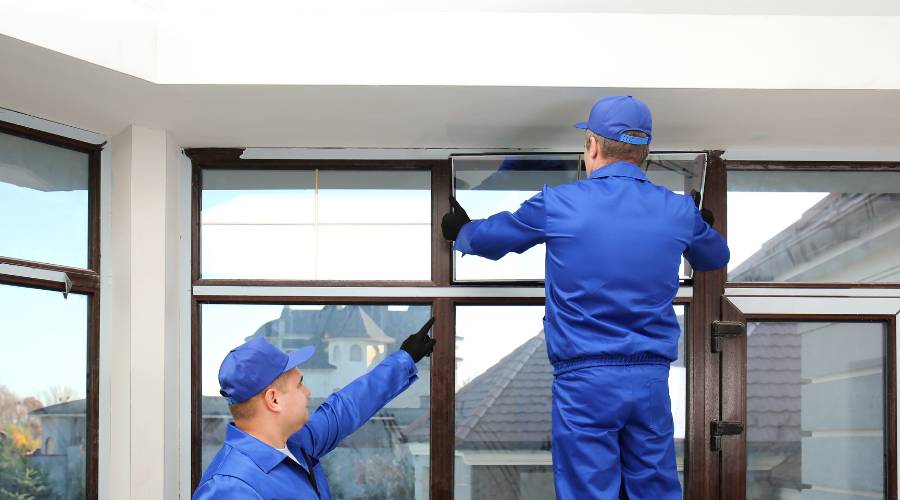
A glazier’s work begins long before any glass is installed. Proper glazing starts with safety, assessment and compliance.
When I arrive at a property, the first step is to assess the damage. I look at how the glass has broken, whether the frame is secure, and whether the area is safe to work in. If the situation is hazardous — such as loose shards or an opening exposed to the weather — I carry out a make-safe board-up. This is the same type of urgent stabilisation used during emergency callouts.
Once the area is secure, I take precise measurements. Glass must fit perfectly within its frame; even a few millimetres off can lead to rattling, pressure points or premature breakage. After confirming the correct size, the replacement glass is cut to fit and prepared for installation.
The damaged fragments are removed, the frame is cleaned, and the new pane is installed using the correct fixings and materials required under AS1288 — the Australian Standard that governs glass safety.
Many homeowners don’t realise how many areas legally require safety glass. When working on windows, glass doors or other house glass, part of the job is checking whether the existing glass meets current requirements. If it doesn’t, upgrading to compliant safety-grade glass is the safest option.
Homeowners also often ask whether a repair can be done as a DIY project. In most cases, it isn’t recommended — especially with doors, showers, shopfronts, or any low-level glazing. Glass handling requires training, equipment and strict safety procedures. If you’re curious about the differences, our guide on DIY glass repair and hiring a professional explains when DIY becomes risky and why glazing is typically left to trained tradespeople.
Types of Glass a Glazier Works With
Every home uses different types of glass depending on its age, design and safety requirements. Here are the types of glass a glazier commonly works with across Brisbane:
Standard annealed glass
This is older, traditional glass that breaks into sharp shards. Many older homes still have annealed panels in areas where safety glass is now required. Glaziers replace this frequently to improve safety and bring properties up to current standards.
Toughened safety glass
Toughened glass is several times stronger than standard glass. It’s heat-treated so that if it breaks, it shatters into small, blunt cubes rather than sharp pieces. It’s commonly used in:
• sliding doors
• front and rear doors
• shower screens
• areas exposed to regular impact
All modern shower glass panels and screens are manufactured from toughened safety glass for compliance reasons.
Laminated safety glass
Laminated glass is made from two sheets of glass bonded with a plastic interlayer. Even when broken, the glass stays largely intact and held together. It’s commonly used in:
• shopfronts
• low-level windows
• high-security or high-traffic areas
Because of its strength and safety properties, laminated glass is often used during shopfront glass repairs.
Frosted or patterned glass
Used in places where both privacy and light are needed — such as bathrooms, entry doors, internal doors, or sidelights. These styles offer varying levels of opacity depending on design.
Tinted or energy-efficient glass
These glass types reduce heat, glare and UV exposure. Homeowners often come across these options when researching energy-efficient windows for Brisbane homes.
Shower screen glass
Shower glass is always toughened and manufactured to strict safety requirements, including minimum thickness and edge treatment. Crystal Glass provides shower glass repairs and replacement as part of its glazing services. Check our crystal shower screens collection
Each type of glass behaves differently and requires the correct installation method, which is why proper selection and compliance with AS1288 matter so much.
How Glaziers Ensure Safety & Compliance
Glass installation in Australia is regulated by AS1288 – Glass in Buildings, which sets the safety requirements for all glazing work. A qualified glazier follows this standard on every job, whether replacing a single window, repairing a door, or securing a damaged shopfront.
AS1288 specifies key rules such as:
• where safety glass must be used
• minimum thickness requirements
• acceptable edge clearances
• correct installation methods and fixings
• impact and load-bearing guidelines
Beyond compliance, using the right tools is essential. Glaziers rely on equipment such as suction lifters, cutting wheels, glazing shims, setting blocks and purpose-made sealants to keep each panel stable and correctly supported.
Make-safe work is another important part of glazing. When the correct glass cannot be installed immediately — for example, due to storms, late-night breakages or temporary supply delays — the opening is securely boarded up to protect the home until the proper replacement can be fitted. This is especially relevant during storm season, as explained in our Brisbane storm season window protection guide.
Frame condition matters as well. Many glass issues come from warped timber, worn tracks, loose frames or deteriorated seals. Before installing new glass, I always check that the surrounding frame can safely support the pane and meet compliance requirements.
If you’d like a deeper understanding of why licensing and training matter so much, our guide on licensed glazier benefits explains the safety, insurance and warranty protections involved.
When You Should Call a Professional
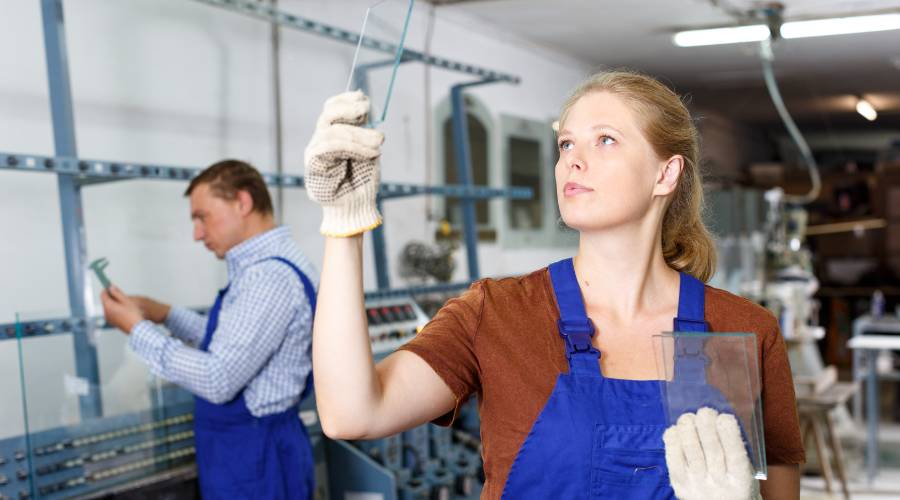
There are several situations where calling a glazier is the safest option. These are the most common:
Cracked or shattered glass
Even small cracks can spread quickly due to heat changes or pressure. This is one of the most frequent issues handled through house window repairs.
Sliding doors that stick or won’t close
Misalignment creates pressure points that can chip or shatter glass. Our glass door repair service regularly handles stuck or jammed sliding doors.
Chipped or damaged shower glass
Toughened shower panels can fail suddenly if weakened. A chipped screen should be replaced with compliant toughened glass.
Storm or impact damage
These situations need urgent make-safe work.
Our 24/7 emergency repair handles jobs like this across Brisbane Southside and Logan..
Shopfront issues
Commercial glass often uses laminated panels for safety and security. Cracks or breaks must be addressed quickly for insurance and public safety reasons.
Loose, rattling or fogged glass
This usually means the frame is moving or seals have failed. A professional inspection helps uncover the real cause.
If you’re unsure how quickly a glazier should arrive during an emergency, our guide on emergency glazier response times explains typical timelines.
If you want help choosing the right tradesperson, our guide on how to choose a glazier outlines the key questions to ask before booking.
For homeowners who prefer working with someone local, our article on why to hire a local glazier breaks down the practical benefits of choosing a nearby expert.
Talk to a Licensed Glazier Today
If your glass is cracked, shattered or unsafe, I’m here to help. With licensed glazing, fast turnaround times and honest advice, I’ll make sure your home is restored safely and correctly.
Call now for your instant quote.
Frequently Asked Questions
What does a glazier do?
A glazier installs, repairs and replaces residential and commercial glass, ensuring every installation meets Australian safety standards such as AS1288.
Do I need a licensed glazier?
Yes. Many areas of a home — including doors, bathrooms and low-level windows — legally require safety glass. Using an unlicensed person or attempting DIY can lead to unsafe, non-compliant installations.
Can you repair glass on the same day?
In many cases, yes. Same-day repairs depend on the type of glass needed and whether the correct replacement is available immediately. For timing expectations, see our guide on emergency glazier response times.
Can I meet the glazier before I hire you?
Yes, you can learn more about who will be working on your home through our meet glazier Paul page.