
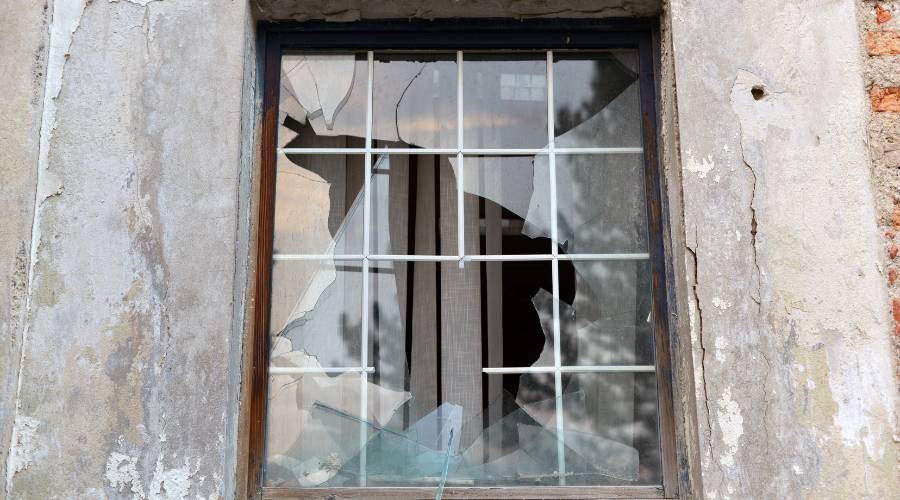
How can you tell if window glass damage is getting worse? Look for signs like cracks spreading, changes in shape or direction, increased visibility, or new stress marks around the edges.
Glass damage rarely stays the same — small issues often grow over time, especially with temperature changes and everyday movement.
Small cracks in window glass often spread over time — spotting early warning signs helps prevent sudden breakage and bigger repairs.
Quick Overview
- How cracks change when damage is getting worse
- Early warning signs homeowners often miss
- Why small chips don’t stay small
- When to act before it becomes a full break
- What causes damage to spread
When a Small Crack Starts to Change
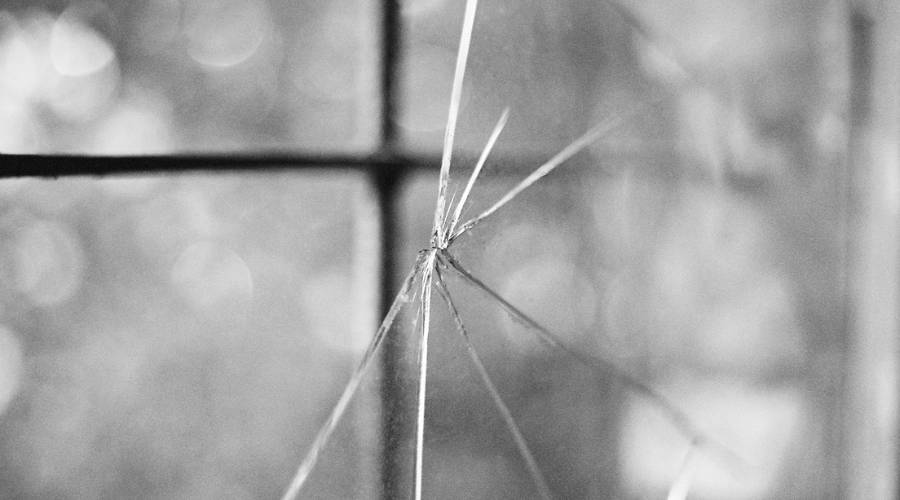
One of the clearest signs that glass damage is getting worse is when a crack starts to look different.
At first, many cracks appear as short, thin lines that don’t seem urgent. Over time, they can become longer, more visible, or start branching in different directions. Even subtle changes usually mean the glass is under stress.
I often see this during window repairs, where what started as a small crack has already spread further than the homeowner realised. In many cases, the change happened gradually, so it wasn’t immediately obvious day to day.
Cracks That Keep Spreading Over Time
Glass doesn’t heal or stabilise on its own, which is why cracks rarely stay the same.
If you notice a crack getting longer — even slightly — it’s a sign the damage is progressing. Sometimes this happens slowly over several days, while other times it can spread quickly due to changes in temperature or pressure on the glass.
This type of movement is one of the most common signs of cracked-window spreading, especially in older windows where the glass may already be weakened. Once a crack starts moving, it usually continues unless the glass is replaced.
Changes Around the Edges of the Glass
Damage often becomes more noticeable around the edges of a window.
If cracks begin forming at the corners or edges, or existing cracks start reaching those areas, it usually means pressure is building within the pane. This kind of stress often comes from the frame rather than the direct impact.
In older homes, frames can shift slightly over time due to settling or temperature changes. When that happens, pressure transfers to the glass, causing cracks to form or spread. This is something I regularly identify during house window repair services, especially in timber-framed windows.
Small Chips That Turn Into Larger Cracks
A small chip might not seem like a problem at first, but it’s often where bigger issues begin.
Even a minor impact can weaken a small section of the glass. Over time, everyday factors like wind pressure, opening and closing the window, or temperature changes can cause that weak point to expand.
What starts as a small chip can gradually turn into a visible crack across the pane. This is why minor damage picked up during house glass repair jobs is usually addressed early. Fixing it at that stage is much simpler than dealing with a full break later.
Glass That Looks Cloudy or Stressed
Not all warning signs are obvious cracks.
Sometimes the glass begins to look slightly cloudy, distorted, or shows faint lines that weren’t there before. These can be early signs of internal stress or weakening within the pane.
In some cases, homeowners notice that the glass doesn’t look as clear as it used to, even after cleaning. While this might not seem urgent, it can indicate that the glass is under pressure and may eventually fail.
More Movement or Noise From the Window
Another sign that something isn’t quite right is how the window behaves.
If you start noticing slight movement, rattling, or unusual sounds when opening or closing the window, it may indicate that the glass or frame is under stress. These changes are often subtle at first but become more noticeable over time.
This usually happens when the frame shifts slightly, which puts pressure on the glass. As that pressure builds, it can lead to cracks forming or existing damage getting worse.
Damage That Changes With Temperature
Temperature plays a major role in how glass behaves.
If you notice that cracks appear to grow during hot days or after sudden weather changes, thermal stress is likely involved. Glass expands when heated and contracts when cooled, which puts pressure on weak areas.
Windows exposed to direct sunlight are particularly vulnerable to this type of damage. I often see this during glass repair in Logan, where one side of the window heats up more than the other, causing uneven stress.
When the Damage Starts Affecting Function
As damage worsens, it can start affecting how the window works.
You might notice that the window becomes harder to open or close, or that it no longer sits properly in the frame. In some cases, the glass may feel loose or unstable.
At this stage, the issue is no longer just cosmetic. It usually means the structural integrity of the glass has been affected, and the risk of full breakage is much higher.
Why Waiting Can Make the Problem Worse
It’s common for homeowners to leave minor glass damage alone, especially if it doesn’t seem urgent.
However, most glass issues don’t improve on their own. What seems stable today can change quickly, especially with weather, movement, or everyday use. Waiting too long often turns a small, manageable repair into a larger replacement job.
From my experience, acting early is almost always the simpler and safer option.
A Practical Way to Think About Glass Damage
Glass damage is rarely a one-time event — it’s usually a gradual process.
If something has changed, even slightly, it’s worth paying attention. Whether it’s the size of the crack, the way it looks, or how the window feels, these changes are usually signs that the damage is progressing.
Understanding this makes it easier to act early and avoid sudden breakage.
When It’s Time to Get It Checked
If you’re unsure whether the damage is getting worse, it’s better to have it looked at sooner rather than later. You can contact us now to talk through what you’re seeing, and I’ll help you decide the safest next step before it turns into a bigger issue.
Frequently Asked Questions
How do I know if a crack in glass is getting worse?
If the crack is growing, changing shape, or becoming more visible, it’s likely spreading and should be checked.
Can a small crack suddenly get bigger?
Yes. Temperature changes, pressure, and everyday movement can cause small cracks to spread quickly.
Should I repair or replace cracked glass?
It depends on the size and location of the damage, but early action usually prevents full replacement.
Is it safe to leave a cracked window?
It can be temporarily safe, but it carries a risk of sudden breakage, especially if the damage is spreading.