

What causes window glass to break without warning? In most cases, it’s not random — factors like thermal stress, pressure changes, hidden damage, or installation issues can cause glass to crack suddenly.
Window glass can break suddenly due to heat stress, pressure, or hidden damage — not just impact or accidents.
Quick Overview
- Thermal stress from temperature changes
- Pressure cracks starting from edges
- Hidden damage or imperfections
- Installation or frame-related issues
- When to inspect or replace glass
Why Glass Sometimes Breaks “Out of Nowhere”
One of the most common things I hear from homeowners is: “The window just cracked on its own.”
In reality, glass rarely breaks without a reason. What looks like a sudden failure is usually the result of stress building up over time — whether from heat, pressure, or small flaws that eventually give way.
During window repairs, I often find, I often find that these cracks have been developing quietly for weeks or even months before becoming visible.
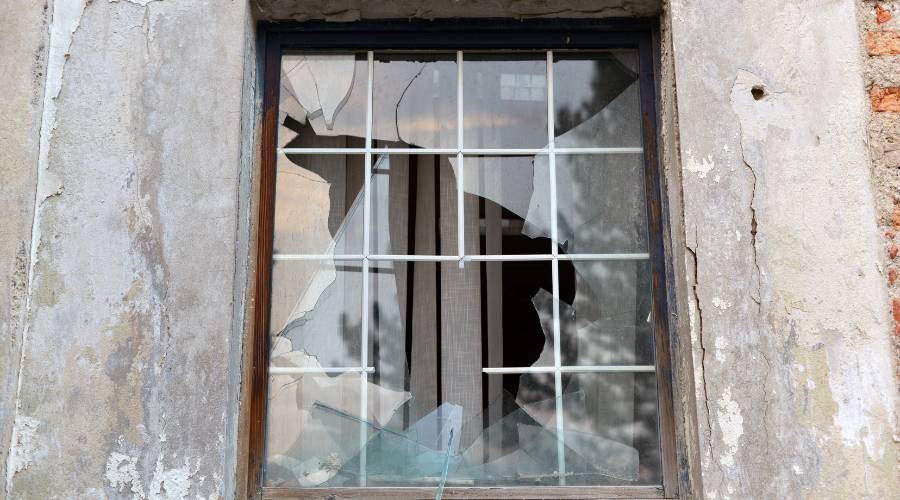
Can Heat Really Cause Window Glass to Crack
Thermal stress is one of the leading causes of spontaneous glass breakage, especially in Australian homes exposed to strong sunlight.
Glass naturally expands when heated. If one part of the window heats up more than another — for example, when sunlight hits one section while the rest remains shaded — it creates uneven expansion. Over time, this difference builds internal stress within the pane.
Eventually, the pressure reaches a point where the glass cracks, often without any obvious trigger. I frequently see this in homes with large windows, partially closed blinds, or nearby heat sources like ovens and heaters.
This type of issue is often identified when carrying out glass repairs, particularly in older or single-glazed windows.
Can Window Frames Cause Glass to Crack Over Time
Pressure cracks usually begin at the edges or corners of the glass and gradually move inward. Unlike impact damage, they don’t have a clear point of contact.
These cracks are often caused by subtle movement in the window frame. Over time, frames can shift slightly due to settling, temperature changes, or general wear. If the glass doesn’t have enough room to move with the frame, pressure builds up.
In some cases, the glass may have been installed too tightly, leaving no space for natural expansion and contraction. As that pressure increases, the glass eventually cracks.
When this happens, the solution often involves both replacing the glass and checking the frame through house window repair services to prevent the same issue from returning.
Why Glass Can Sometimes Break Without Impact
Sometimes glass appears to break for no obvious reason at all, which is often described as spontaneous breakage.
In most cases, this comes down to hidden weaknesses within the glass itself. Tiny imperfections, such as manufacturing flaws or small inclusions, can remain invisible for years. Minor impacts that didn’t cause immediate damage can also create micro-cracks that slowly spread over time.
Eventually, these weaknesses reach a point where the glass fails without warning. While it can feel completely random, there’s almost always an underlying cause.
How Small Chips and Cracks Turn Into Bigger Problems
Not all glass damage is immediately noticeable. Small chips or fine cracks can sit unnoticed until they begin to spread.
Temperature changes, wind pressure, and everyday movement can all cause these small weaknesses to grow. What starts as a barely visible mark can quickly turn into a full crack across the pane.
This is why minor issues picked up during house glass repair jobs are usually addressed early. Fixing the problem at that stage is often far simpler and safer than waiting for the glass to fail completely.
Problems That Start With Poor Installation
Glass needs a small amount of space within the frame to expand and contract naturally. When it’s installed too tightly or without the right support, stress can slowly build over time.
I’ve seen cases where glass was fitted too firmly into the frame, leaving no room for movement. In other situations, incorrect glazing methods or materials were used, which created uneven pressure across the panel. Sometimes the issue comes down to missing support blocks or poor spacing, meaning the glass isn’t properly supported.
These problems don’t always cause immediate breakage, but they often lead to cracks months or even years later — especially when combined with temperature changes or frame movement.
How Weather and Temperature Changes Affect Glass
External conditions can also play a role in how and when glass breaks.
Strong winds can flex window frames slightly, putting added pressure on the glass. Rapid temperature changes — such as a sudden cool change after a hot day — can also increase internal stress. In some cases, nearby construction or repeated vibrations can contribute to weakening already stressed glass.
On their own, these factors may not cause breakage. However, when combined with existing weaknesses, they can speed up the process significantly.
Signs Your Window Glass Needs Attention
Not every crack appears suddenly — many develop gradually and show subtle warning signs first.
If you notice a small crack beginning to spread, or the glass looks slightly distorted, it’s worth having it checked early. Windows that become harder to open or close can also indicate that the frame is putting pressure on the glass. Even faint stress marks near the edges can signal that something isn’t quite right.
Addressing these signs early often prevents full breakage and reduces the need for urgent glass replacement services later on.
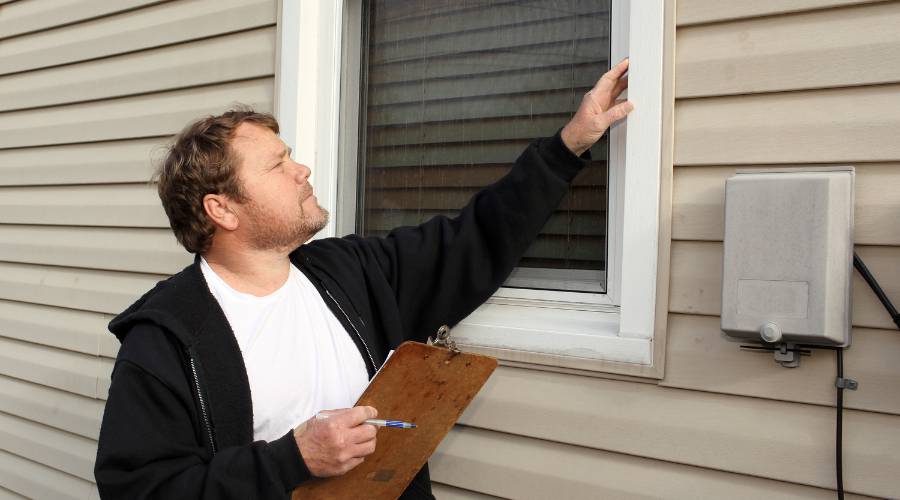
A Practical Way to Think About Glass Breakage
Glass rarely fails instantly. In most cases, it’s the result of gradual stress building up over time due to heat, pressure, or hidden damage.
Understanding this makes it easier to respond properly. Instead of treating it as a random event, it becomes a matter of identifying the cause and fixing the underlying issue. This helps prevent the same problem from happening again and ensures the replacement is done correctly.
Need Help Figuring Out Why Your Glass Broke?
If your window has cracked and you’re not sure what caused it, it’s worth getting it checked properly. You can contact us now to talk through the situation, and I can help you understand what may have caused it and recommend the next step.
Frequently Asked Questions
Can glass really break on its own?
It can seem that way, but there’s usually an underlying cause such as thermal stress, pressure, or hidden damage.
What is a thermal stress crack?
It’s a crack caused by uneven heating of the glass, which creates internal pressure until the pane breaks.
Are pressure cracks common?
Yes, especially in older homes where frames may shift or settle over time.
Should I replace cracked glass immediately?
It’s best to address it early, as cracks can spread quickly and become a safety risk.