
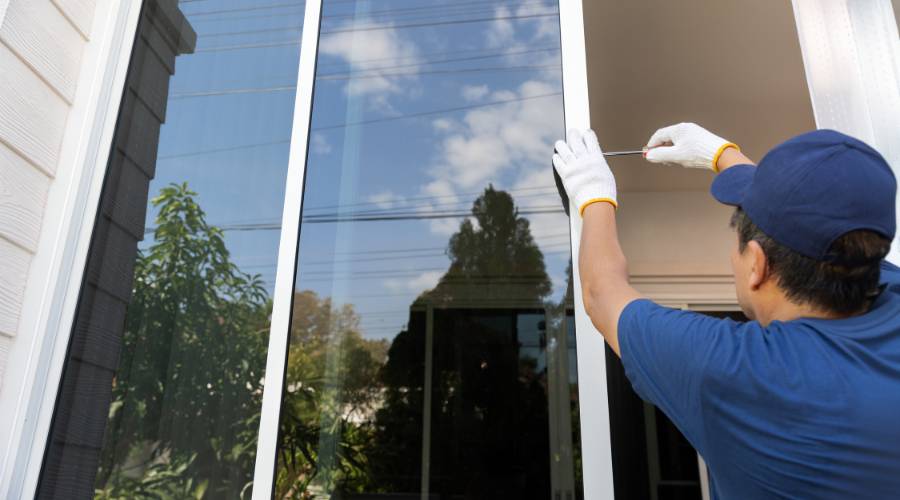
Child safety glass windows help prevent serious injuries by reducing the risk of shattering and sharp glass impact.
Upgrading to compliant safety glass in key areas of your home is one of the most effective ways to improve window safety for children, particularly in older Brisbane homes.
Upgrading to safety glass helps Brisbane families reduce the risk of serious child injuries caused by shattered or impact-prone household glass.
Quick Overview
- Why standard glass can be dangerous for children
- Where safety glass is required in family homes
- Types of safety glass used in Brisbane homes
- Practical childproofing tips for windows and doors
- When to upgrade older, non-compliant glass
If you live in Brisbane and have young children at home, glass safety is something worth thinking about before an accident happens. I’ve worked with many families across Brisbane Southside and Logan who only realised their windows or doors were unsafe after a close call — or worse, an injury involving older glass that should have been upgraded during house glass repair.
This guide explains how to childproof windows and doors using safety glass, what to look out for in older homes, and why upgrading non-safety glass is one of the most effective ways to reduce serious injuries around the home.
Why Glass Safety Matters in Homes With Young Children
Glass-related injuries involving children still occur in everyday household settings, particularly where older, non-safety glass is present. Many of these injuries involve older windows, doors, or glass panels made from annealed glass, which break into large, sharp shards instead of safer fragments.
In family homes, children don’t recognise glass as a hazard. Running, climbing, or leaning against windows and doors is common — particularly in living areas, bedrooms, and near backyards or patios. That’s why window safety for children isn’t just about supervision; it’s about ensuring the glass itself meets modern safety standards, something that often comes up during window repair work in family homes.
Why Older Homes Pose a Higher Risk
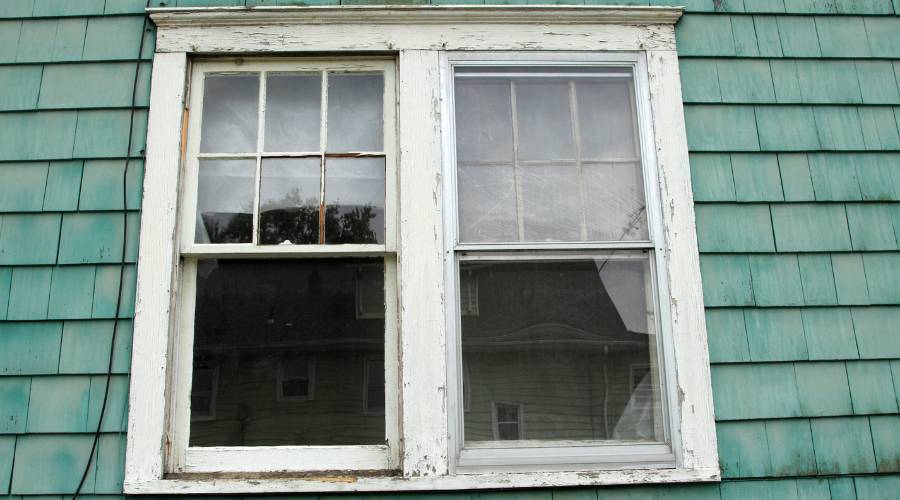
Many Brisbane homes still contain non-safety glass in areas that would now require compliance upgrades. At the time, safety glass regulations were far less strict, and annealed glass was commonly used in windows and doors.
I regularly see this when homeowners contact us about residential glass replacement, especially in family suburbs across Brisbane Southside and Logan. While the glass may look intact, it often fails to meet current safety glass requirements for Brisbane homes.
What Is Safety Glass and Why Is It Safer for Children
Safety glass is designed to reduce injury risk if it breaks.
In Brisbane homes, the most common types include toughened glass, which breaks into small, blunt fragments, and laminated glass, which holds together when cracked due to a plastic interlayer. Laminated glass is particularly effective in preventing glass from falling out completely, making it a popular option for child safety glass windows.
Both types are commonly installed during glass replacement projects and are compliant with current Australian standards.
Where Safety Glass Is Most Important in Family Homes
While upgrading all glass is ideal, some areas should be prioritised first.
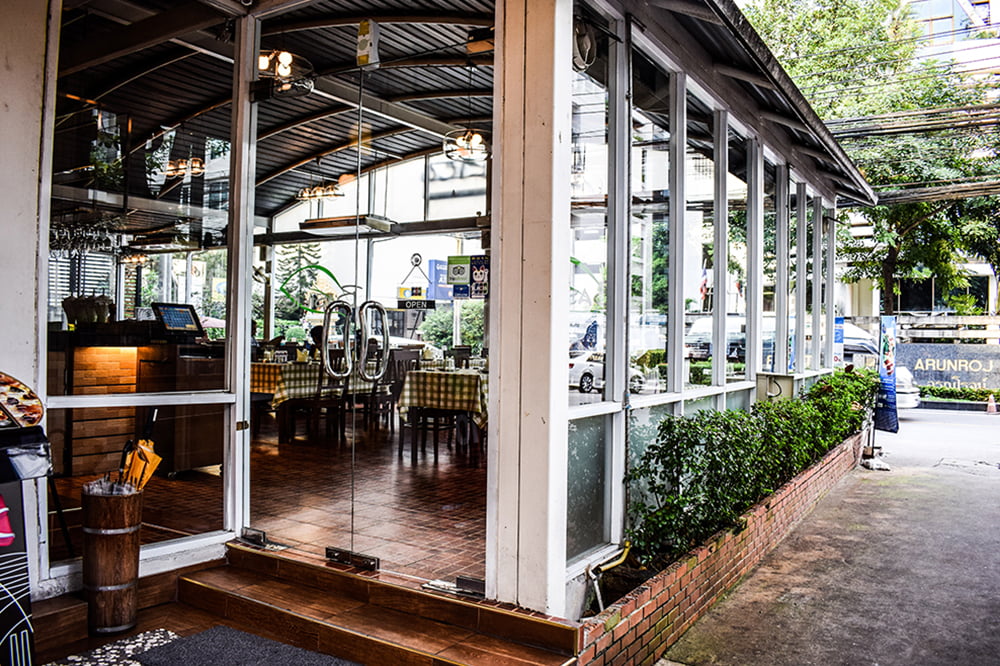
Low-level windows that children can run into or climb near are a common risk, as are glass doors, sliding doors, and any panels located near play areas. Bathrooms, stairwells, and internal partitions also frequently contain glass that wasn’t originally designed with children in mind.
These are the same high-risk areas we often address during house window repair and safety upgrade work in family homes.
Simple Childproofing Tips Beyond Glass Replacement
Upgrading glass is the most effective long-term solution, but there are additional steps families can take.
Applying shatter-resistant film can help hold glass together temporarily, though it does not replace compliant safety glass. Adding safety stickers or decals at child height helps make glass more visible and reduces accidental collisions. Rearranging furniture to prevent climbing near windows also lowers impact risk.
These measures are helpful, but they work best alongside proper safety glass, not instead of it — a point we often explain during glass repair assessments.
How to Tell If Your Windows Are Safety Glass
Many parents assume their glass is already safe — but that’s not always the case.
Some safety glass panels are etched or stamped with a compliance marking, usually in a corner. If there’s no visible marking, or if you’re unsure, it’s best to have the glass checked. During glass repair work, I often help homeowners identify which panels meet current standards and which don’t.
When It’s Time to Upgrade Non-Safety Glass
If your home still has annealed glass in high-risk areas, upgrading isn’t just about compliance — it’s about preventing injuries.
Cracks, chips, or older glass near floor level should be addressed promptly. Even without visible damage, non-safety glass in family homes presents an unnecessary risk, particularly as children grow more active.
This is why many families choose laminated glass for home safety or toughened glass upgrades as part of broader home improvement or renovation plans.
A Practical Approach to Improving Window Safety for Families
Childproofing doesn’t have to happen all at once. Starting with a room-by-room assessment allows families to prioritise upgrades based on risk and usage.
Living areas, bedrooms, and main access points usually come first, followed by less frequently used spaces. This staged approach helps families improve childproof windows in Brisbane homes without unnecessary disruption or expense.
Getting Professional Advice for Safety Glass Upgrades
Parents often reach out not because something has broken, but because they want clarity about what’s safe and what isn’t.
My focus is on practical advice, compliance, and solutions that suit family homes — whether that’s targeted safety glass upgrades, full window repair, or guidance on meeting Queensland safety glass regulations. The goal is always the same: reducing risk and protecting children.
Want Help Checking Your Home’s Glass Safety?
If you’re unsure whether your windows and doors are safe for children, it’s worth having them looked at by a professional. I can help identify non-compliant glass, explain your options, and recommend upgrades that suit your home and budget. Contact us now!
Frequently Asked Questions
Do all windows need safety glass in Queensland homes?
Not all windows, but many locations do. Low-level windows, doors, and high-impact areas are commonly required to use safety glass under QLD regulations.
Is safety film enough to protect children?
Safety film can help reduce shattering, but it does not replace compliant safety glass and should be considered a temporary or secondary measure.
What’s safer for children: laminated or toughened glass?
Both are safer than standard glass. Laminated glass stays intact when broken, while toughened glass breaks into blunt fragments. The right option depends on location and usage.
How old does a home have to be to need upgrades?
Older homes are more likely to contain non-safety glass and should be assessed, especially if children live in the home.