
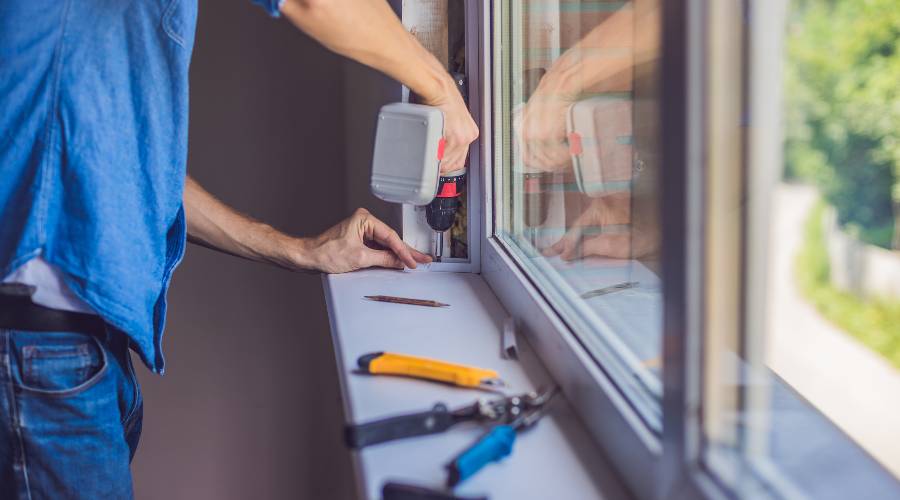
What are the most common window glass repair mistakes? Most problems come from relying on quick fixes, using the wrong glass, or overlooking issues like frame damage.
These mistakes often lead to cracks spreading, safety risks, or needing the job redone properly.
Quick fixes and wrong materials are the most common glass repair mistakes — often leading to bigger problems and repeated damage.
Quick Overview
- Mistakes homeowners often make with broken glass
- Why quick fixes don’t hold up
- Problems caused by using the wrong glass
- When DIY repairs create bigger issues
- How to avoid repeat damage
Why Glass Repairs Often Go Off Track
Most people don’t deal with broken windows very often, so when it happens, the focus is usually on fixing it quickly.
That’s completely understandable — especially when safety or weather is involved. But glass behaves differently from most materials, and small mistakes early on can lead to bigger issues later.
I’ve seen this many times during follow-up window repairs, where the original damage wasn’t the main problem anymore — it was how it had been handled.
Treating a Temporary Fix as a Proper Repair
One of the most common mistakes is assuming a quick fix will last.
Using tape, sealant, or makeshift coverings can help stabilise the situation temporarily, especially if you’re waiting for help. But these solutions don’t restore the strength of the glass.
Over time, the crack continues to spread underneath. What looks stable on the surface often isn’t. This is something I often explain when responding to emergency glass repair callouts, where a temporary fix has been left in place longer than it should.
Trying to Remove Broken Glass Without the Right Approach
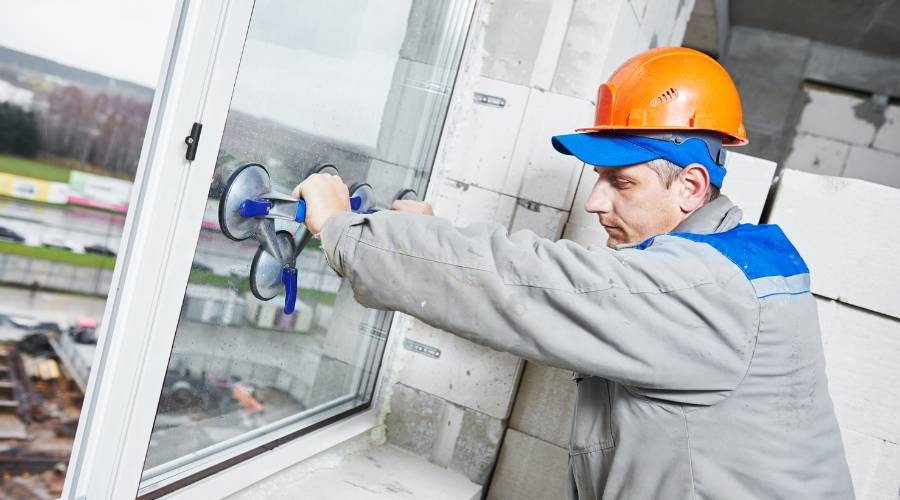
Another issue comes from trying to remove damaged glass without proper tools or experience.
Glass under tension can break suddenly, even with light pressure. I’ve seen cases where someone tried to “finish the job” themselves, only to cause the entire pane to shatter.
It’s not just about the glass either — incorrect removal can damage the frame, making the final repair more complicated. This often turns a simple job into something that requires more work than expected.
Using the Wrong Type of Glass
Not all glass is suitable for every situation, and using the wrong type is a common mistake.
Certain areas of the home require safety glass, particularly doors, bathrooms, and low-level windows. Installing standard glass in these areas can create safety risks and may not meet current standards.
This is something I regularly correct during glass replacement services, where the original installation didn’t match the requirements of the space.
Ignoring the Condition of the Frame
Sometimes the glass gets all the attention, while the frame is overlooked.
If the frame is warped, loose, or putting pressure on the glass, replacing the pane alone won’t fix the issue. The same stress that caused the damage will still be there, which often leads to cracks appearing again.
This is especially common in older homes, where frames may have shifted over time. During house window repair services, I often find that addressing the frame is just as important as replacing the glass.
Waiting Too Long to Fix Small Damage
Delaying repairs is another mistake that leads to bigger problems.
A small chip or crack might not seem urgent, but glass damage rarely stays the same. Changes in temperature, pressure, and everyday use can all cause the damage to spread.
What could have been a simple repair can quickly turn into a full replacement.
Assuming All Glass Repairs Are Straightforward
Not every glass repair is simple, even if it looks that way at first.
Different types of windows, glass thicknesses, and installation methods all require different approaches. Treating every repair the same can lead to incorrect fitting or reduced durability.
This is why experience matters, particularly when dealing with larger panels or older window systems.
Overlooking Safety Risks
Glass repairs aren’t just about fixing the damage — they’re about keeping the space safe.
Handling broken glass without proper protection or leaving damaged panes in place increases the risk of injury. This is especially important in homes with children or in areas where the glass is frequently used.
Safety is always the first step during house glass repair, and it’s often where DIY approaches fall short.
Not Understanding When a Repair Isn’t Possible
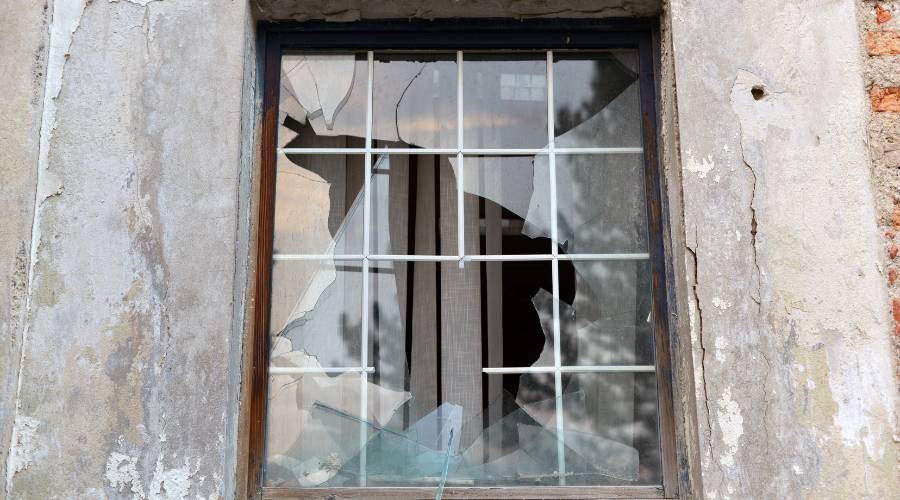
Another common issue is trying to repair glass that really needs replacing.
Once the structural integrity of the glass is compromised, it can’t be restored to its original strength. This is why cracks, edge damage, or shattered panes are usually replaced rather than repaired.
If you’re unsure where that line is, it helps to understand what types of window damage can’t be fixed, as not all damage can be safely managed.
A More Practical Way to Handle Glass Damage
Most of these mistakes come down to trying to solve a structural problem with a quick fix.
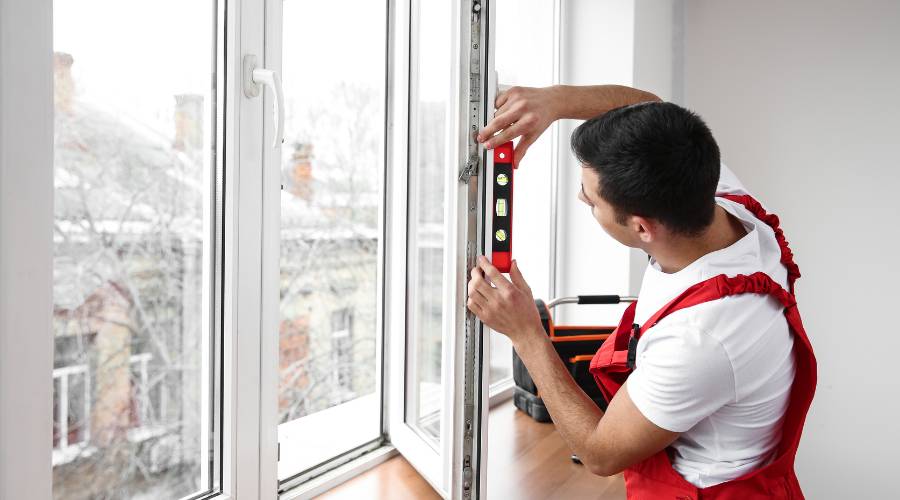
A better approach is to focus on making the area safe first, then addressing the issue properly. In most cases, this means replacing the damaged glass and making sure it’s installed correctly.
Taking that extra step early often prevents repeat damage and avoids more costly repairs later.
When It’s Better to Get Advice First
If you’re unsure what to do with broken or cracked glass, it’s often easier to get advice before taking action.
You can contact us now to talk through the situation, and I’ll help you avoid the common mistakes that tend to make things worse.
Frequently Asked Questions
What is the most common mistake with broken windows?
Treating a temporary fix as a permanent solution is one of the most common issues.
Is DIY glass repair safe?
It can be risky, especially when handling cracked or unstable glass without the right tools.
Can using the wrong glass cause problems?
Yes. It can lead to safety risks, compliance issues, and further damage over time.
Should I fix a small crack right away?
It’s best to address it early, as cracks usually spread and become harder to manage.