
There are several types of window glass used in homes, including regular annealed glass, toughened safety glass, laminated glass, and double glazing. Choosing the right glass depends on safety requirements, location, energy efficiency goals, and how your home is used.
Understanding different glass types helps homeowners choose safer, more efficient windows that suit their home, family, and local conditions.
Quick Overview
- The difference between regular and safety glass
- Toughened glass vs laminated glass explained simply
- Where safety glass is required in homes
- What double glazing and low-E glass actually do
- How to choose the right residential glass option
If you’re a homeowner in Brisbane or Logan, chances are you’ve looked at a cracked window, foggy pane, or outdated frame and wondered what type of glass should actually be there. Most people don’t think about glass until something breaks — or until they’re renovating — and by then, the options can feel confusing.
I’ve had this conversation with many homeowners over time. This guide breaks down the types of window glass used in Australian homes, explains how they differ, and helps you understand which options make sense for safety, comfort, and long-term value.
Why Choosing the Right Glass Actually Matters in Your Home
Not all glass behaves the same way when it breaks, heats up, or ages. Some glass shatters into dangerous shards, while other types are designed to reduce injury, improve insulation, or block heat.
I often see homeowners surprised to learn that older houses still contain glass that no longer meets modern safety expectations — something we regularly identify during window repairs and house glass repair visits. Understanding your options helps you make better decisions before a small issue turns into an emergency.
Why Old-Style Glass Is Still Found in Many Homes
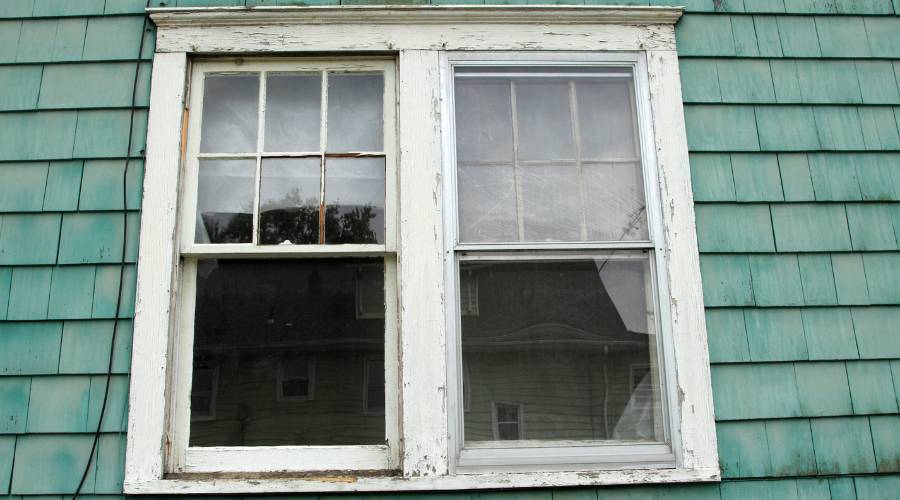
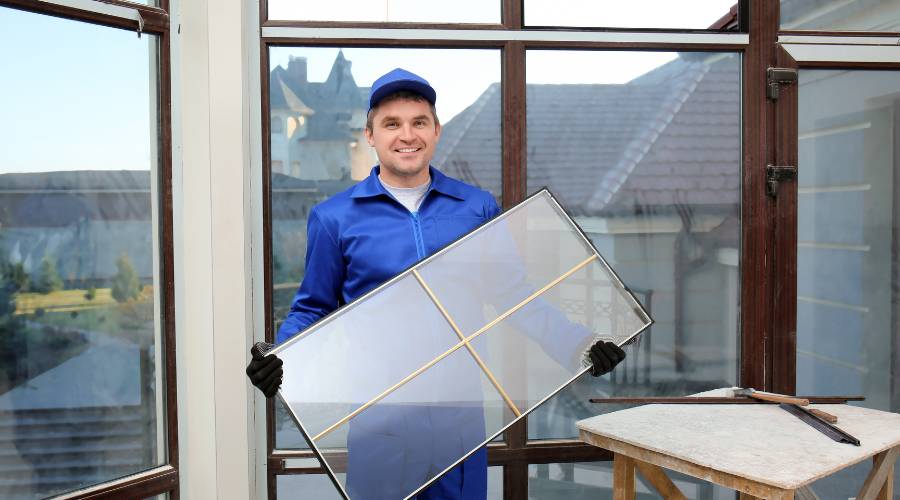
Annealed glass is the most basic form of glass and was widely used in Australian homes decades ago. It looks the same as modern glass but behaves very differently when broken.
When annealed glass breaks, it fractures into large, sharp shards, which is why it’s associated with a higher risk of injury when breakage occurs. This type of glass is still commonly found in older homes built before modern safety standards.
When homeowners contact us about glass replacement, I often recommend upgrading to annealed glass for glass replacement projects, especially in family homes.
Safety Glass vs Regular Glass – What’s the Real Difference?
The biggest difference between safety glass and regular glass is how it breaks.
Safety glass is designed to reduce injury risk. In Australia, safety glass must meet strict standards and is commonly required in doors, low-level windows, bathrooms, and other high-impact areas. This is something we regularly explain when homeowners ask about safety glass requirements for Brisbane homes.
There are two main types of safety glass used in residential settings: toughened glass and laminated glass.
What Toughened Glass Is and Where It’s Used
Toughened (or tempered) glass is heat-treated to make it significantly stronger than regular glass. When it breaks, it crumbles into small, blunt fragments instead of sharp shards.
Doors and Sliding Doors
Toughened glass is commonly used in doors and sliding doors because it can handle frequent use and accidental impact without breaking into dangerous shards.
Low-Level Windows
Windows positioned close to the floor are more likely to be bumped or fallen into, which is why toughened glass is often required in these areas.
Bathrooms and Wet Areas
Because bathrooms combine moisture and slip risk, toughened glass is used to reduce the chance of serious injury if breakage occurs.
Toughened glass is frequently installed during window replacement and glass door repairs because it meets safety requirements and handles everyday impacts well.
What Laminated Glass Is and Why Families Choose It
Laminated glass consists of two layers of glass bonded together with a plastic interlayer. When broken, the glass sticks to the interlayer, staying largely intact instead of falling away.
Homes With Young Children
Families often choose laminated glass because it reduces the risk of sharp glass breaking loose in areas where children play.
Upper-Storey Windows
For windows above ground level, laminated glass helps prevent broken panels from falling outside or inside the home.
Areas Where Falling Glass Is a Risk
In stairwells, voids, or elevated positions, laminated glass provides extra protection by holding together after impact.
Many families choose laminated glass for safety upgrades after learning more about window safety for children while arranging residential glass repairs.
Toughened Glass vs Laminated Glass – Which Is Better?
This is one of the most common questions I get.
Neither option is “better” in every situation. Toughened glass is very strong and cost-effective, while laminated glass offers superior containment and continued protection even after breakage.
Where the Glass Is Located
High-impact areas often suit toughened glass, while elevated or higher-risk locations may benefit more from laminated glass.
Who Uses the Space
Homes with children or elderly occupants may prioritise laminated glass for its added safety.
Safety and Compliance Requirements
Some locations require specific glass types under Australian standards, which can influence the choice.
Budget and Long-Term Goals
Cost, future plans, and upgrade timing all play a role in deciding which glass type makes sense.
This is why I often talk homeowners through both options before proceeding with residential glass replacement.
What Double Glazing Is and How It Helps Your Home
Double glazing involves two panes of glass separated by a sealed air or gas gap. This design reduces heat transfer and improves insulation.
Keeping Homes Cooler in Summer
The sealed gap slows heat entering the home, helping indoor spaces stay more comfortable during warmer months.
Retaining Warmth in Winter
Double glazing also reduces heat loss, which helps maintain warmth during cooler weather.
Reducing Outside Noise
The extra glass layer and air gap can significantly reduce noise from traffic and neighbours.
I’ve seen growing interest in double glazing during consultations for energy-efficient windows in Brisbane homes, particularly for bedrooms and living areas.
What Low-E Glass Does and When It’s Worth Using
Low-E (low emissivity) glass has a special coating that reflects heat while still allowing natural light to pass through. It’s often paired with double glazing but can also be installed as a single pane.
Reduced Heat Gain
Low-E coatings help block excess heat from entering the home.
Improved Indoor Comfort
By managing heat transfer, Low-E glass helps keep internal temperatures more stable.
Lower Reliance on Air Conditioning
Better thermal performance often means less need for constant cooling.
For homeowners focused on long-term comfort and efficiency, Low-E glass is usually discussed as part of planned window upgrades rather than emergency repairs.
Where Safety Glass Is Usually Required in Homes
Australian standards specify where safety glass must be used to reduce injury risk.
Doors and Sidelights
Glass in and around doors must withstand frequent use and potential impact.
Low-Level Windows
Windows positioned close to the floor are considered higher risk and usually require safety glass.
Bathrooms and Wet Areas
Moisture and slip hazards make safety glass essential in these spaces.
Stairwells and High-Traffic Zones
Areas with frequent movement or elevation changes require added protection.
We regularly help homeowners identify non-compliant glass when carrying out glass repairs, especially in older homes, especially in older properties where regulations have changed since the home was built.
How to Choose the Right Glass for Your Home
The best residential glass option depends on how your home is used, not just how it looks.
For example:
- Families often prioritise laminated or toughened safety glass
- Older homes may benefit from staged upgrades
- Renovations are a good time to improve efficiency and safety together
Taking a room-by-room approach allows homeowners to make practical decisions without unnecessary replacement.
A Simple Way to Approach Glass Upgrades
You don’t need to upgrade everything at once.
Many homeowners start by replacing glass in high-risk areas, then gradually improve other windows as part of maintenance or renovations. This approach is common during house window repair and avoids unnecessary disruption.
Getting Professional Advice Makes a Difference
Most homeowners reach out not because they know exactly what they need, but because they want clear, honest advice.
My role is to explain the options in plain language, identify what’s required versus optional, and help homeowners choose glass that suits their home, family, and budget. That might involve safety upgrades, efficiency improvements, or simply replacing damaged panels correctly.
Want Help Choosing the Right Glass?
If you’re unsure which type of glass is best for your home, it’s worth getting advice before committing to replacement or upgrades. Contact us, I’m happy to explain your options and recommend solutions that make sense for your situation.
Frequently Asked Questions
What type of glass is safest for homes?
Safety glass — either toughened or laminated — is far safer than regular annealed glass, especially in high-impact areas.
Is laminated glass better than toughened glass?
Not always. Laminated glass offers better containment, while toughened glass provides strong impact resistance. The best choice depends on location.
Do older homes need safety glass upgrades?
Many do. Homes built before modern standards often contain non-safety glass that should be assessed.
Is double glazing worth it in Brisbane?
For many homes, yes. It improves comfort, reduces noise, and helps manage heat.