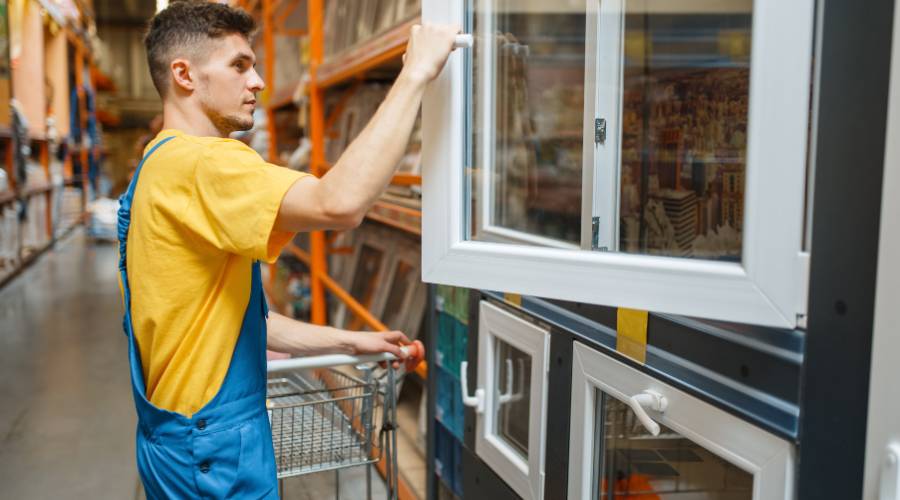


Why does glass replacement take time? While some jobs can be completed the same day, others take longer due to factors like custom glass sizes, safety requirements, frame condition, and glass availability.
Understanding these factors helps set realistic expectations and explains why some repairs are quick while others need more time.
Glass replacement time varies depending on size, type, and condition — some jobs are same-day, while others require custom orders and extra steps.
Quick Overview
- Why can some glass be replaced quickly
- What causes delays in certain jobs
- The difference between repair and replacement time
- How custom glass affects timelines
- What to expect during the process
Why Some Glass Jobs Are Quick — and Others Aren’t
One of the most common questions I get is: “Why can’t this be done straight away?”
Sometimes it can — especially with standard windows — but not every job is the same. Glass replacement isn’t just about swapping one pane for another. It depends on the type of glass, the condition of the frame, and how the window is built.
During glass replacement services, I often explain that quick jobs and longer ones usually come down to a few key factors rather than delays for the sake of it.
When Glass Replacement Can Be Done Quickly
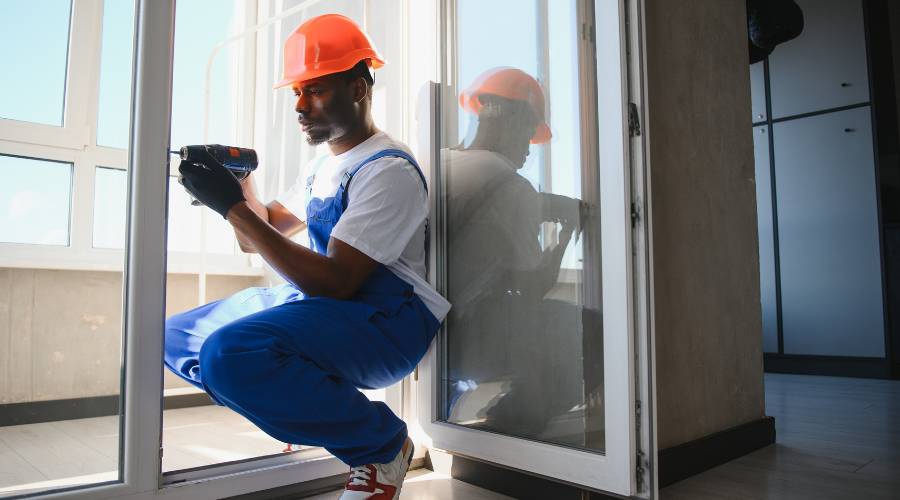
Some jobs are straightforward and can be completed on the same day.
This usually happens when the glass size is standard, the type of glass is commonly stocked, and the frame is still in good condition. In these situations, the damaged panel can be removed and replaced in a single visit.
This is often the case with basic window repairs handled through window repair services, where everything needed is readily available.
Custom Glass Is One of the Biggest Reasons for Delays
Not all windows use standard-sized glass.
Older homes, unique window designs, and large panels often require custom measurements and cutting. This means the glass needs to be ordered and prepared before installation can happen.
Custom glass orders take time because:
- The glass must be cut to exact dimensions
- Safety standards must be met
- Manufacturing and delivery are involved
This is one of the most common reasons why glass replacement delays occur, especially in older or non-standard homes.
Safety Glass Requirements Can Affect Timing
In many parts of the home, safety glass isn’t optional — it’s required.
Doors, bathrooms, and low-level windows must use compliant glass such as toughened or laminated safety glass. These types of glass often need to be manufactured to size rather than cut on-site.
That’s why jobs involving safety upgrades may take longer than expected, particularly when replacing older glass that doesn’t meet current standards. You can see where this applies in the safety glass requirements for the Brisbane homes guide.
Frame Condition Plays a Bigger Role Than Most People Expect
Sometimes the delay isn’t about the glass — it’s about the frame.
If the frame is damaged, warped, or unstable, it needs to be repaired before new glass can be installed properly. Skipping this step can lead to stress cracks or poor fitting later on.
This is something I regularly address during house window repair work, where fixing the frame first ensures the new glass lasts.
Repair vs Replacement Time — What’s the Difference?
There’s often confusion between repairing glass and replacing it.
In many cases, what people call a “repair” is actually a glass replacement within the existing frame. If everything is straightforward, this can be done quickly.
However, full replacement — especially when involving frames or custom glass — naturally takes longer. Understanding this difference helps explain why some jobs are completed in hours while others take days.
Access and Installation Complexity
Not all windows are easy to reach.
Second-storey windows, large panels, or areas with limited access can require additional equipment and setup time. This can add to the overall timeline, even if the glass itself is ready.
Safety also plays a role here. Proper installation in these situations takes careful handling to avoid damage or injury.
Weather and Scheduling Can Also Affect Timing
Glass replacement isn’t always just about materials — conditions matter too.
Strong winds, rain, or extreme temperatures can delay installation, especially for larger panels. Safety comes first, and some jobs need to be rescheduled to ensure proper installation.
Availability of materials and booking schedules can also influence timing, particularly during busy periods.
A Practical Way to Think About Glass Replacement Timing
It helps to think of glass replacement in two stages: preparation and installation.
If everything is standard and ready to go, the job can often be completed quickly. If custom work, safety glass, or frame repairs are involved, more time is needed to get it done properly.
Rushing the process can lead to poor results, so taking the right steps up front usually prevents issues later.
How to Avoid Unnecessary Delays
While some delays are unavoidable, a few simple steps can help keep things moving.
Providing clear information about the window, addressing issues early, and booking repairs as soon as damage appears can all reduce waiting time. Small cracks or chips are often quicker to fix before they become larger problems requiring full replacement.
Need Help Understanding Your Glass Replacement Timeline?
If you’re unsure why your job is taking longer than expected, it’s always worth asking. You can contact us now to talk through your situation, and I’ll explain what’s involved and how long it’s likely to take based on your setup.
Frequently Asked Questions
Why does some glass replacement take longer than others?
It usually comes down to glass type, size, safety requirements, and frame condition.
Can all glass be replaced the same day?
Not always. Standard glass can often be replaced quickly, but custom or safety glass may take longer.
What causes delays in glass replacement?
Common reasons include custom sizing, safety glass requirements, frame repairs, and access challenges.
Is repairing faster than replacing glass?
In many cases, yes — but it depends on the condition of the window and what needs to be done.